
Cooking Recipes for Men
Discover practical, flavorful recipes designed for the modern man. From quick weeknight dinners to weekend grilling adventures, explore our collection of tested dishes that deliver real taste and satisfaction.
Browse by Category
Featured Recipes
Handpicked dishes that deliver on flavor and simplicity.
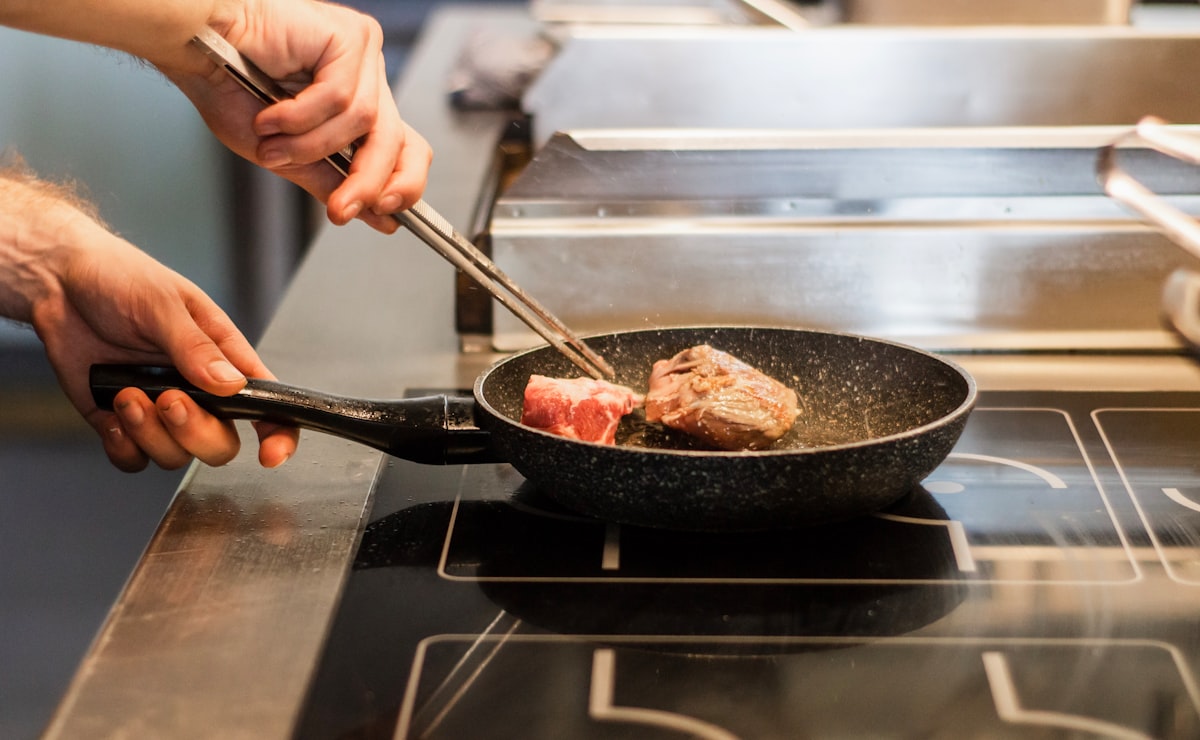 Grilling
Grilled Ribeye with Herb Butter
Master the perfect sear on a premium cut. Learn temperature control, resting time, and the herb butter technique that elevates steakhouse quality to your backyard.
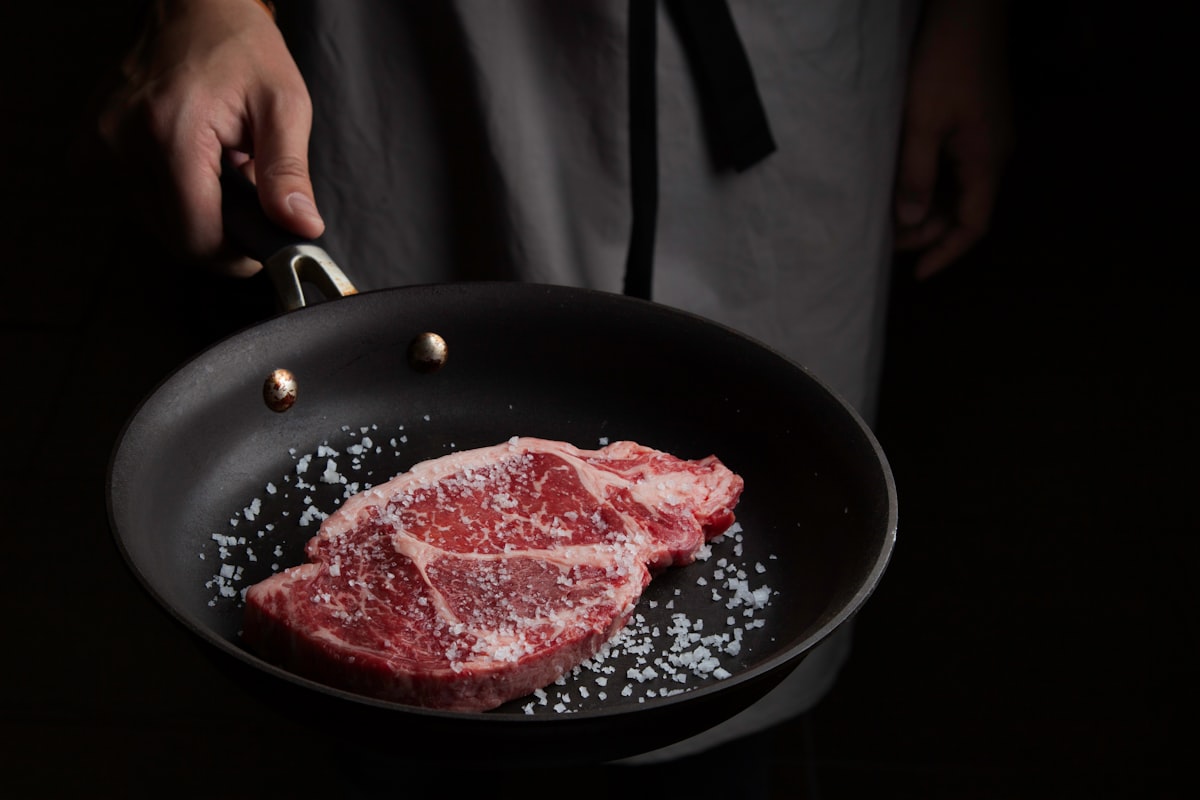 Smoking
Smoked Wings with Competition Rub
Competition-grade chicken wings with a proprietary dry rub. Discover smoking temperatures, wood selection, and the secret to crispy skin with smoke ring perfection.
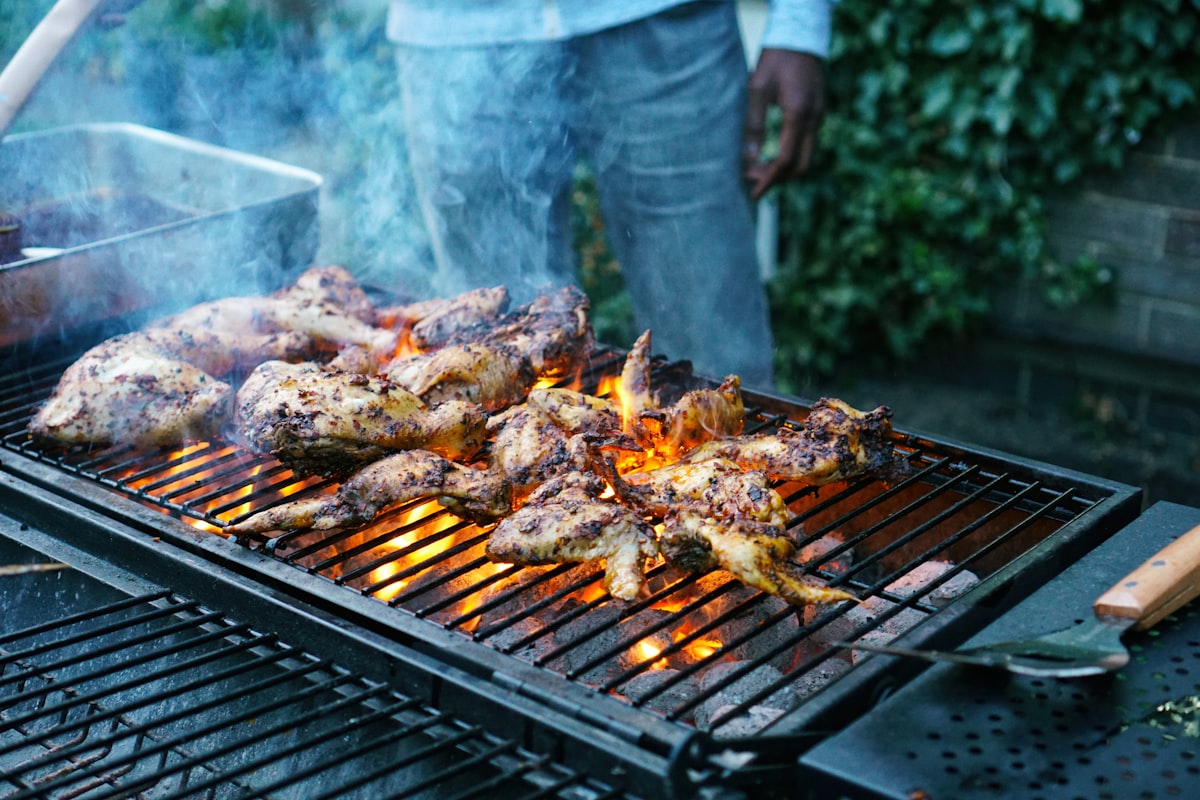 Quick Dinner
Pan-Seared Salmon with Lemon Dill
A 15-minute weeknight protein that tastes like restaurant quality. Crispy skin, buttery center, and a bright lemon-dill sauce that takes minutes to prepare.
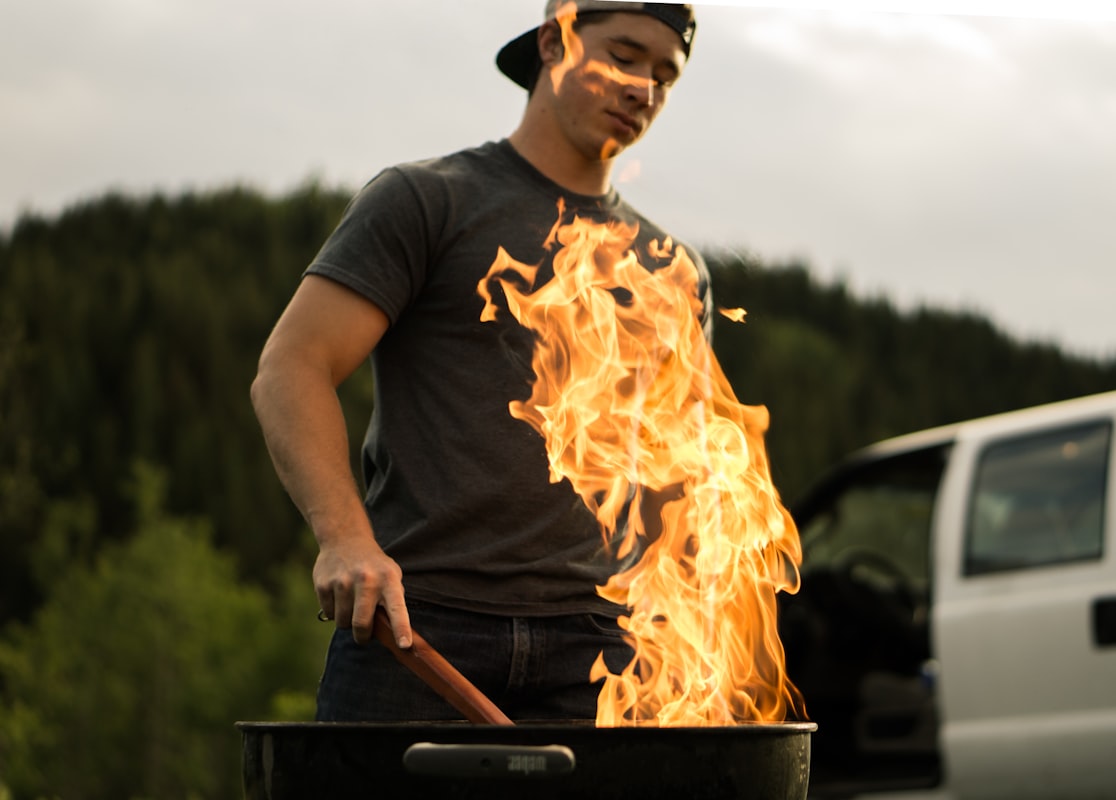 Weeknight
Cast Iron Burger with Crispy Onions
The ultimate at-home burger experience. Learn the ground beef blend, cast iron searing technique, and caramelized onion topping that makes every burger memorable.
 Slow Cooker
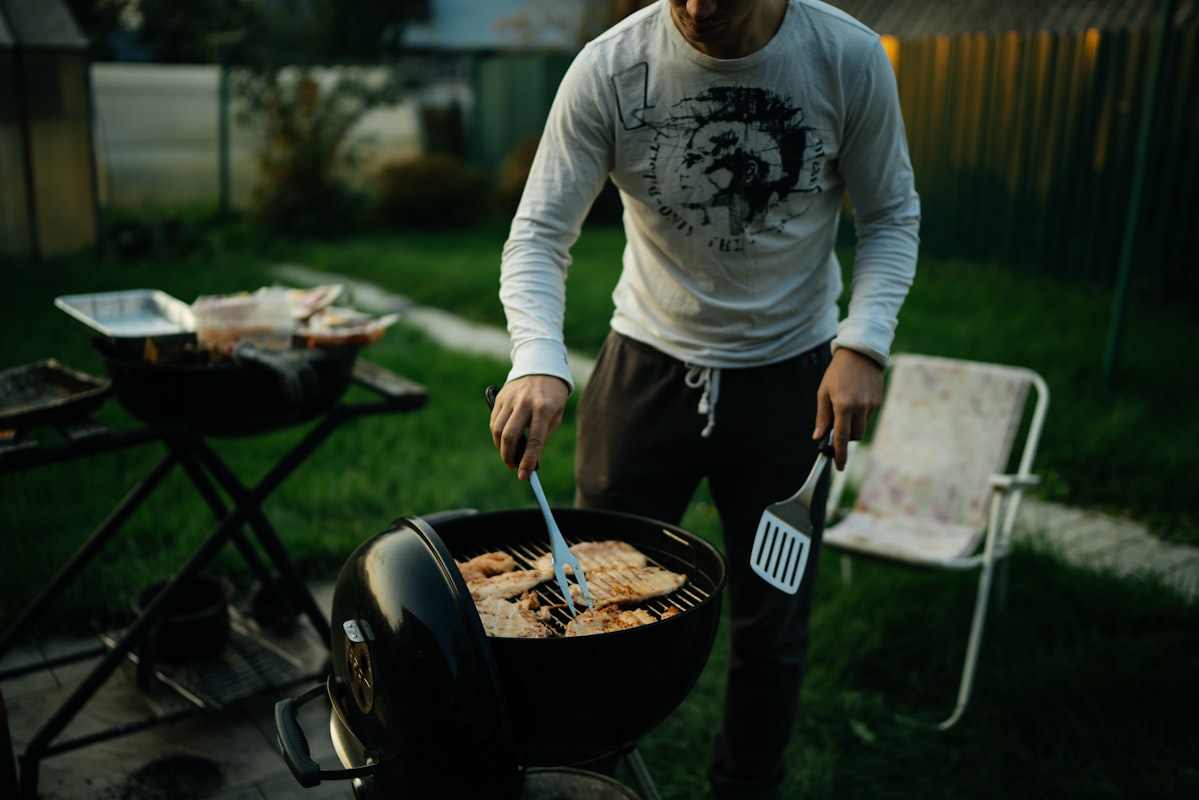
Classic Texas Chili (Slow Cooker)
Set it and forget it chili that tastes even better the next day. Deep, complex flavors from perfectly balanced spices and slow-cooked beef that melts in your mouth.
 Game Day
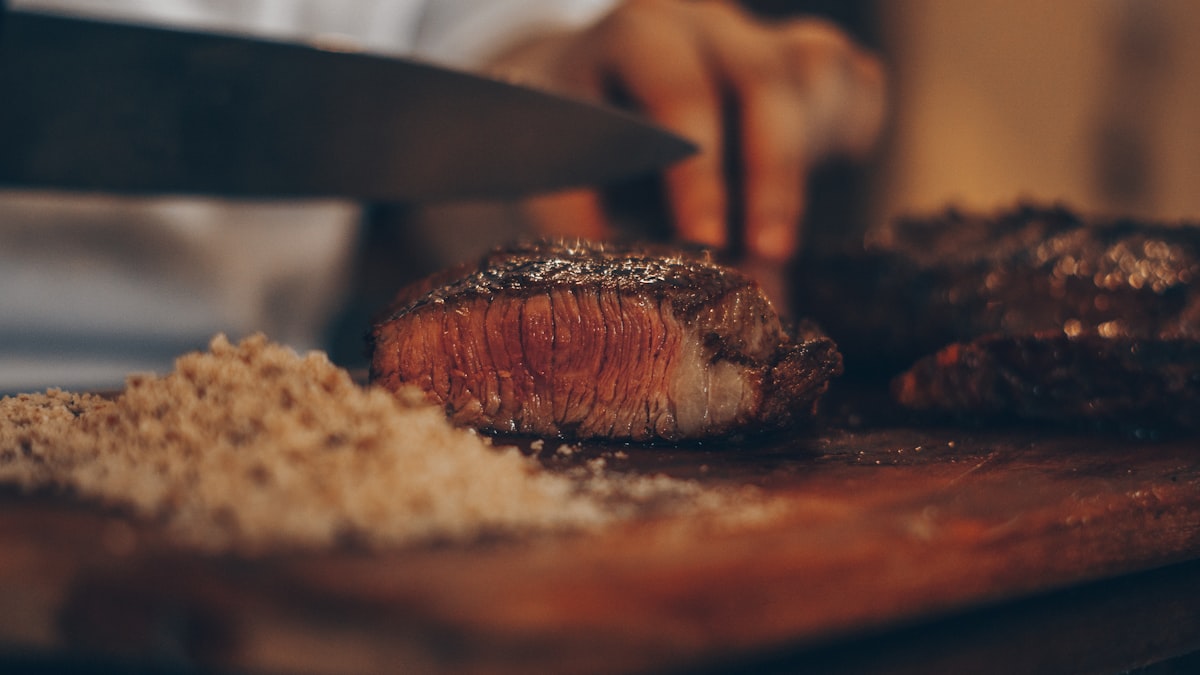
Korean Beef Tacos with Kimchi Slaw
Fusion done right. Tender gochujang-marinated beef with crispy-chewy tortillas and tangy kimchi slaw. A crowd-pleasing appetizer that elevates any gathering.
 Marinade
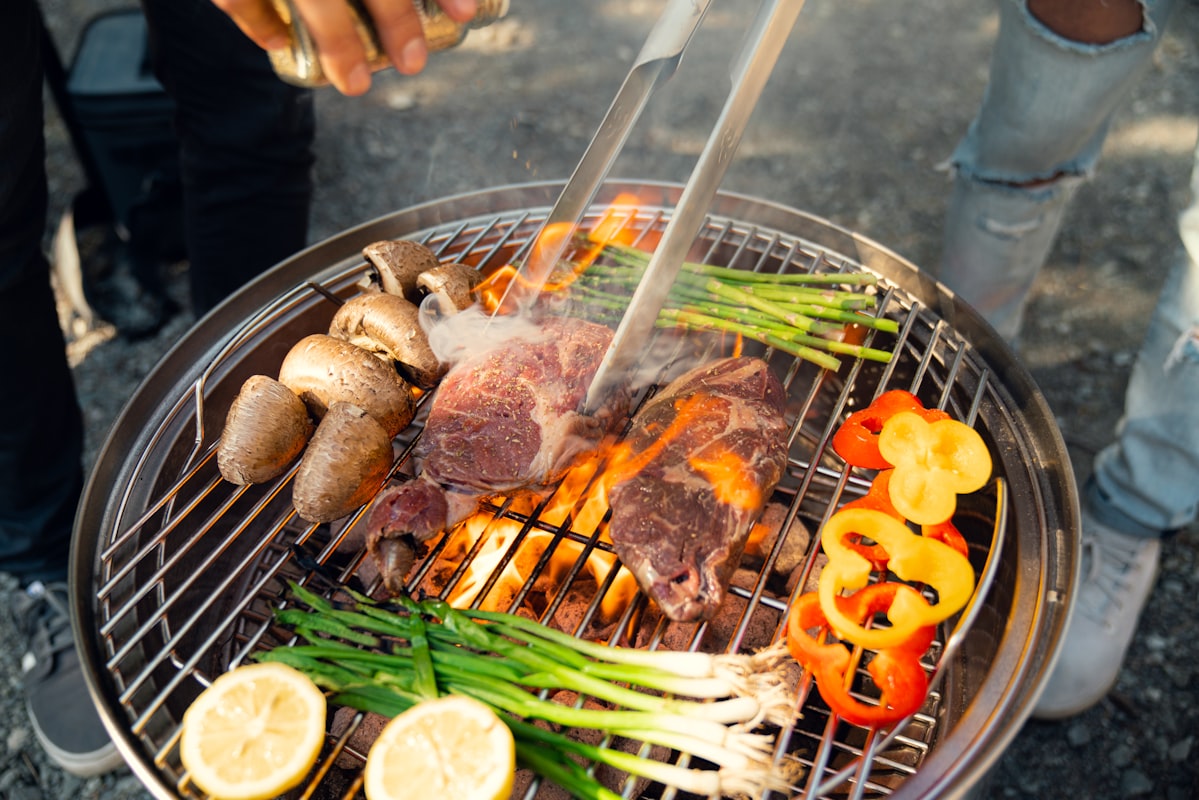
Championship Garlic Herb Marinade
The Swiss Army knife of marinades. Explore the science behind flavor infusion, optimal marinating times, and how to adjust for different proteins without overdoing it.
 Sides
Sides
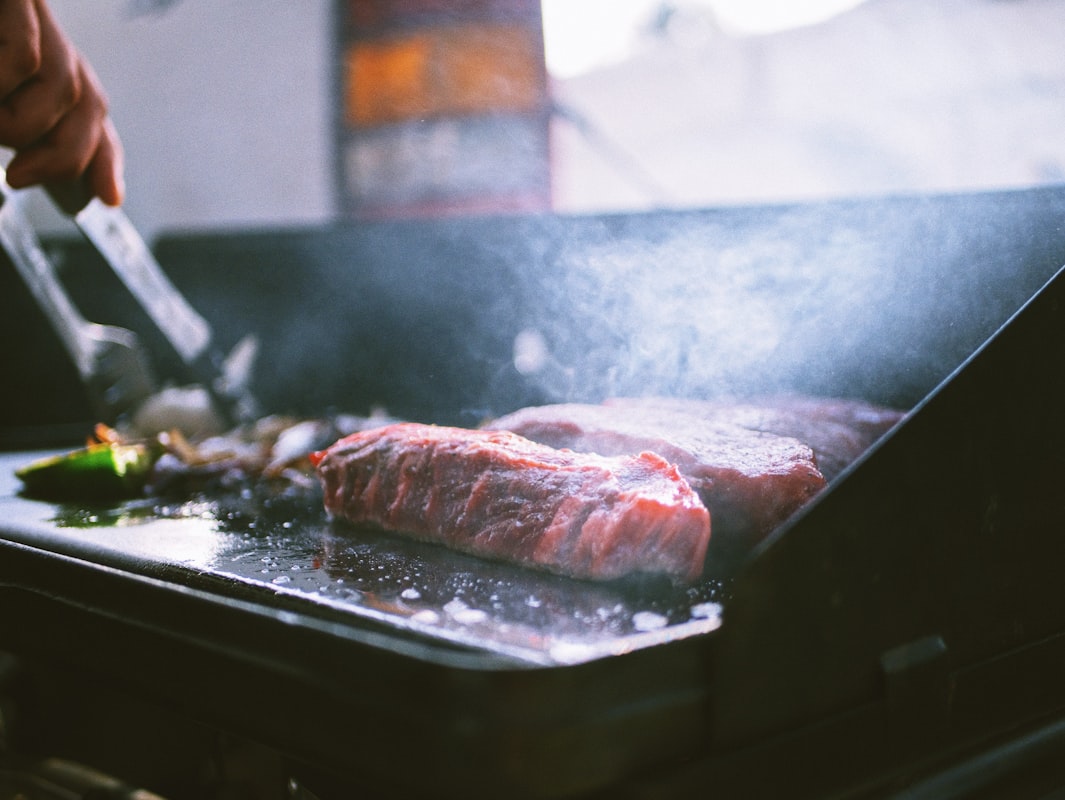
Grilled Vegetables with Balsamic Glaze
Prove vegetables belong on the grill. Discover which vegetables work best, preparation techniques, and a balsamic reduction that transforms simple produce into something memorable.
Cooking Fundamentals
Master the essential techniques that appear across all our recipes.
Temperature Control
Understanding your heat source—whether charcoal, gas, or stovetop—is the foundation of consistent results. Learn how to measure, adjust, and maintain optimal temperatures.
Timing & Resting
The difference between raw and overcooked often comes down to minutes. We'll teach you visual cues, meat thermometer reading, and why resting time matters.
Seasoning Strategy
Salt, pepper, and spice ratios that work. Explore when to season (before or after cooking), layering flavors, and tasting as you go.
Searing & Browning
The Maillard reaction creates flavor. Learn the science behind the perfect crust, pan selection, and how moisture affects browning.
Knife Skills
Proper cutting technique saves time and ensures even cooking. Discover the best blade for each task and how to work safely and efficiently.
Flavor Layering
Great dishes build flavor throughout the cooking process. Learn how to use marinades, rubs, glazes, and finishing touches for depth.
Cooking Questions Answered
Find answers to common questions about our recipes and techniques.
The most reliable method is using a meat thermometer. Insert the probe into the thickest part without touching bone. Different proteins have different safe temperatures: beef and pork 145°F (63°C), chicken and turkey 165°F (74°C), and fish 145°F (63°C). You can also use the touch test—firmer meat indicates higher doneness—but a thermometer eliminates guesswork. Always let meat rest for 5-10 minutes after cooking, as temperatures will rise slightly during this period.
Seasoning is the direct application of salt, pepper, and spices to add immediate flavor to the surface. Marinating involves soaking food in a liquid mixture of seasonings, oils, and acids (like vinegar or citrus) for hours, allowing flavors to penetrate the protein. Marinades also help tenderize tougher cuts through acidic breakdown of muscle fibers. For best results, combine both—season before marinating, and add a final seasoning adjustment right before cooking.
Dryness usually stems from overcooking or insufficient resting time. Monitor internal temperature carefully—remove meat from heat 5°F before your target temperature, as carryover cooking will bring it the rest of the way. Always rest cooked meat under loose foil for 5-10 minutes, which allows juices to redistribute evenly throughout the protein. Additionally, brining or marinating before cooking adds moisture. Leaner cuts (chicken breast, turkey) dry out faster than fattier ones (ribeye, pork belly).
Absolutely. Our recipes provide a solid foundation, but cooking is flexible. Substitute proteins of similar thickness and fat content (chicken thighs for pork shoulder, for example). Swap vegetables with seasonal options of comparable size. When substituting spices, start with 75% of the original amount, then taste and adjust. The core techniques remain constant—proper seasoning, temperature control, and resting. Some changes (like using a completely different protein family) may require adjusting cooking time, but the fundamental method applies.
Essential tools include a reliable meat thermometer (instant-read digital is ideal), a sharp chef's knife, a cutting board, and a heavy-bottomed skillet or cast iron pan. For grilling recipes, a grill (charcoal or gas) is necessary, though a cast iron griddle on your stovetop works in a pinch. A pair of tongs and spatula round out the basics. We specify specialized equipment only when truly necessary. Many recipes are flexible—use what you have. Quality matters more than quantity; one good knife and one quality pan beat a drawer full of mediocre tools.
Prep timing depends on the ingredient. Raw vegetables can be cut and stored in airtight containers for 1-2 days. Marinades can be prepared up to 24 hours ahead. Dry rubs should be applied no more than a few hours before cooking, as salt can draw out moisture. Raw proteins should be marinated refrigerated for no longer than 24 hours to avoid over-tenderization .
Yes! Most of our recipes are meal-prep friendly. Cooked proteins store well in airtight containers for 3-4 days. Vegetables can be grilled or roasted ahead and refrigerated. Keep sauces and dressings separate until serving to maintain freshness. Freeze portions up to 3 months for longer-term meal planning. Reheat gently in the oven or stovetop for best results.
Store leftovers in airtight glass containers in the refrigerator for up to 4 days. Label containers with the date prepared. For longer storage, freeze in freezer-safe bags or containers for up to 3 months. Thaw overnight in the refrigerator before reheating. Avoid repeated thawing and refreezing to maintain quality and food safety.
What Our Community Says
"These recipes transformed my meal prep routine. I'm saving time and hitting my fitness goals without sacrificing taste. The ingredient guides are incredibly helpful!"
Marcus J.
Fitness Enthusiast
"As someone new to cooking healthy, these step-by-step instructions made everything so simple. I've already impressed my friends with these recipes!"
David R.
Home Cook
"The nutritional breakdowns help me track macros easily. Combined with the flavor tips, these are now staples in my weekly rotation."
James P.
Nutrition-Conscious Cook
Ready to Elevate Your Meals?
Join thousands of men transforming their health through better nutrition. Start cooking like a pro today.